
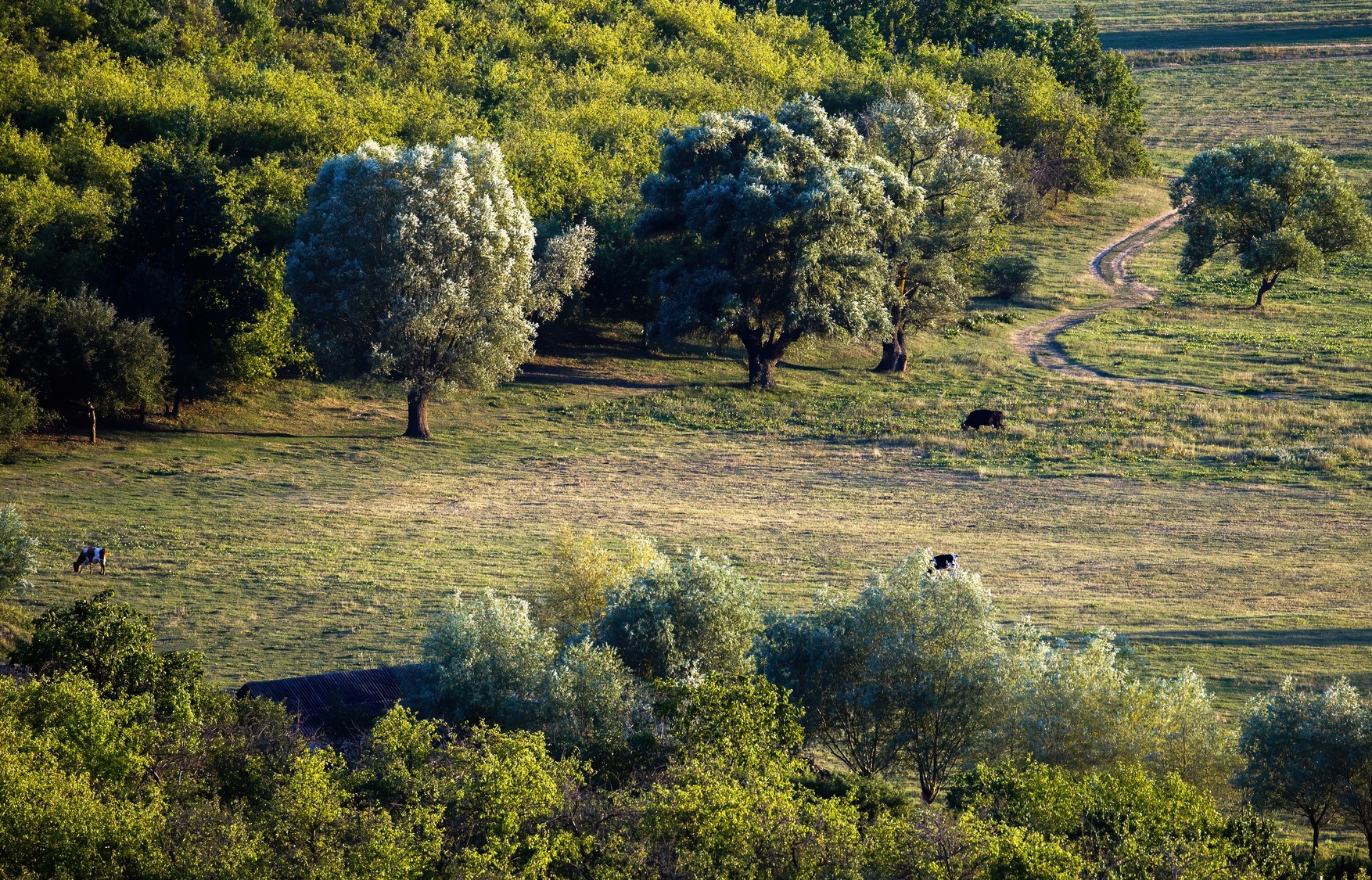
rural TOURISM
Rural tourism, often referred to as countryside tourism, has a historical foundation deeply rooted in the agrarian societies of the past. Originating from the need for rest and respite from urban life, rural tourism finds its earliest roots in the countryside retreats of ancient civilizations. Etymologically, “rural” stems from the Latin word “ruralis,” which pertains to the countryside or rural areas. This linguistic origin underscores the essence of rural tourism, which revolves around experiencing and immersing oneself in the natural beauty, tranquility, and simplicity of rural landscapes. Rural tourism allows travelers to disconnect from the fast-paced urban lifestyle and reconnect with nature, local traditions, and authentic rural experiences.
Today, rural tourism holds broader significance beyond leisure travel, encompassing sustainable development, environmental conservation, and community empowerment. It offers opportunities for rural communities to diversify their economies, preserve their cultural heritage, and showcase their natural assets to visitors. With a growing appreciation for sustainable and experiential travel, rural tourism continues to attract travelers seeking authentic connections with nature, culture, and local communities in rural settings.
You can access more information about Rural Tourism by clicking the below button